Optimal Timing for Cabinet Repairs
Timing for cabinet repairs can influence the quality, cost, and longevity of the work. Factors such as seasonal weather conditions, indoor climate stability, and project urgency play a role in determining the optimal time for repairs. Understanding these elements can help ensure that repairs are performed effectively and efficiently.
Spring offers moderate temperatures and lower humidity, making it ideal for cabinet repairs that involve painting or refinishing. The season's stable climate reduces the risk of warping or moisture-related issues.
Summer provides longer daylight hours and warmer temperatures, which can accelerate drying times for finishes. However, high humidity levels should be monitored to prevent issues like swelling or mold growth.
Autumn's cooler and drier conditions can be suitable for repairs, especially in regions with harsh summers. It allows for thorough drying and curing of finishes before winter.
Winter is generally less favorable due to low temperatures and increased humidity indoors. Repairs during this time may require climate control measures to ensure proper curing and adhesion.
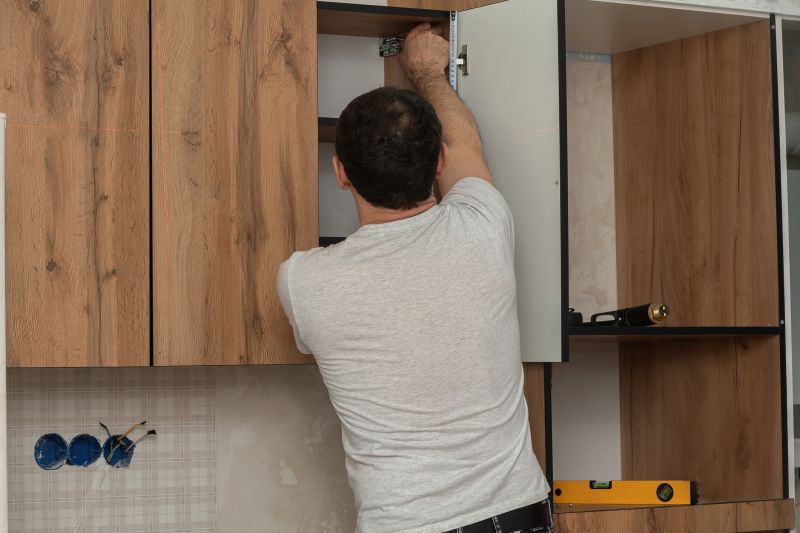
Spring is an optimal time for detailed cabinet repairs due to favorable weather conditions.
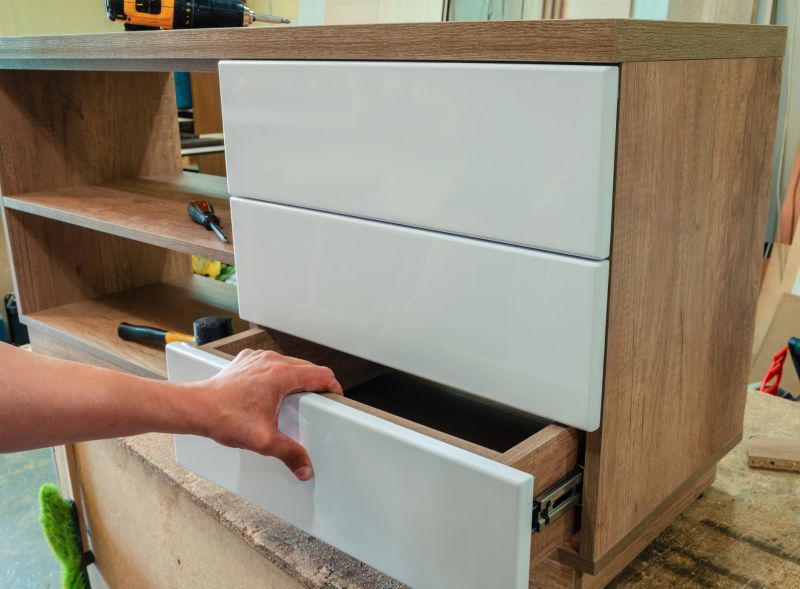
Summer's warmth speeds up drying times for paints and finishes.
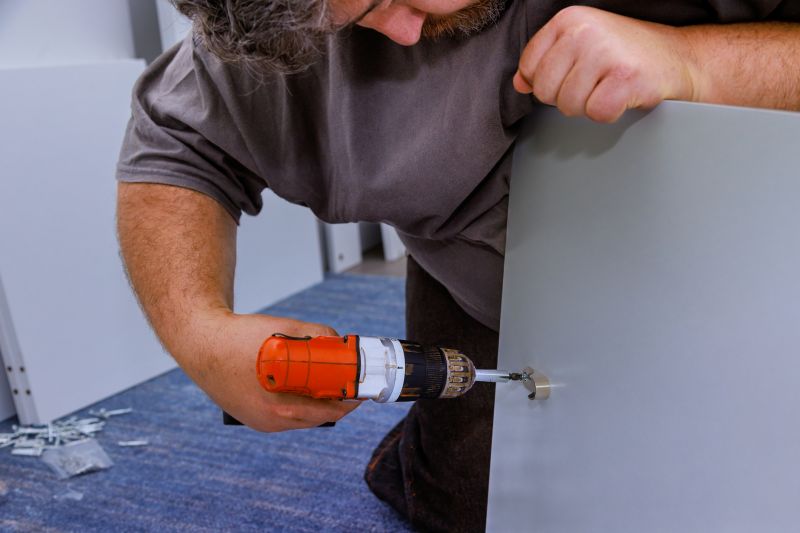
Autumn provides stable conditions for curing and finishing.
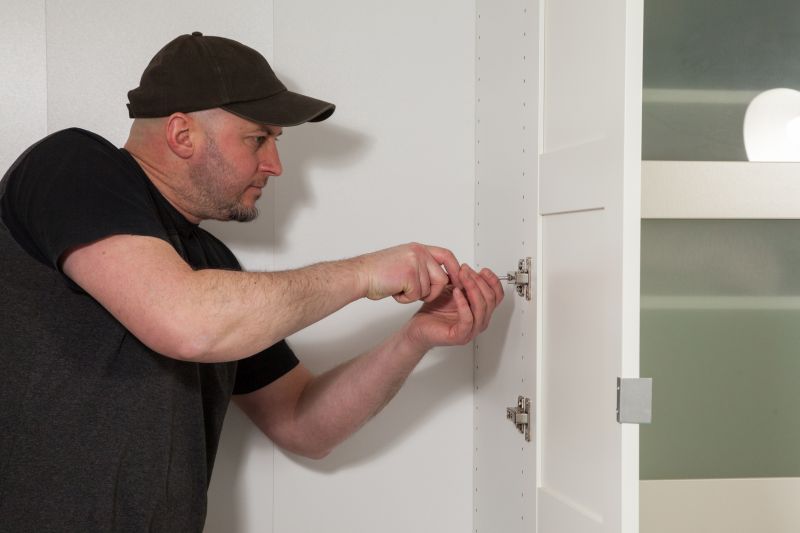
Winter repairs require indoor climate management for best results.
Cabinet repairs encompass a variety of services including refinishing, hardware replacement, structural repairs, and aesthetic upgrades. Proper timing ensures that these services are carried out under optimal environmental conditions, reducing the risk of issues such as warping, cracking, or adhesion failures.
Statistics indicate that scheduling repairs during seasons with stable humidity and temperature can extend the lifespan of cabinet finishes by up to 30%. Additionally, planning repairs during appropriate weather windows can reduce project durations by approximately 15%, leading to cost savings and minimized disruption.
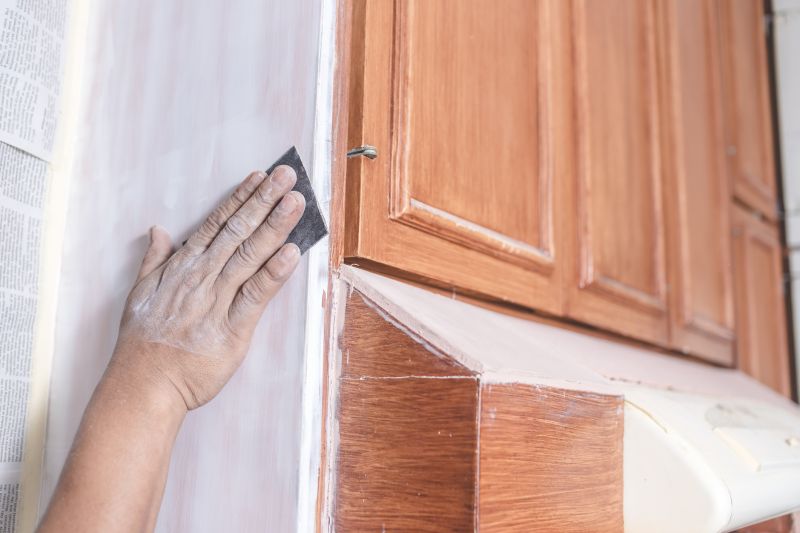
Detailed repairs involve surface preparation, material application, and curing under controlled conditions.
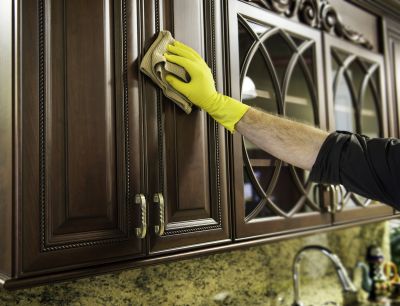
Refinishing during favorable seasons ensures durability and aesthetic quality.
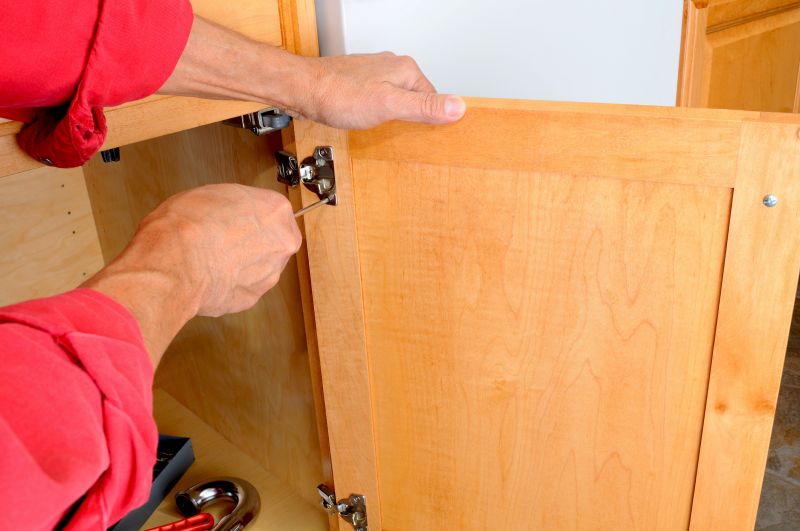
Replacing hardware is best done when environmental conditions are dry and stable.
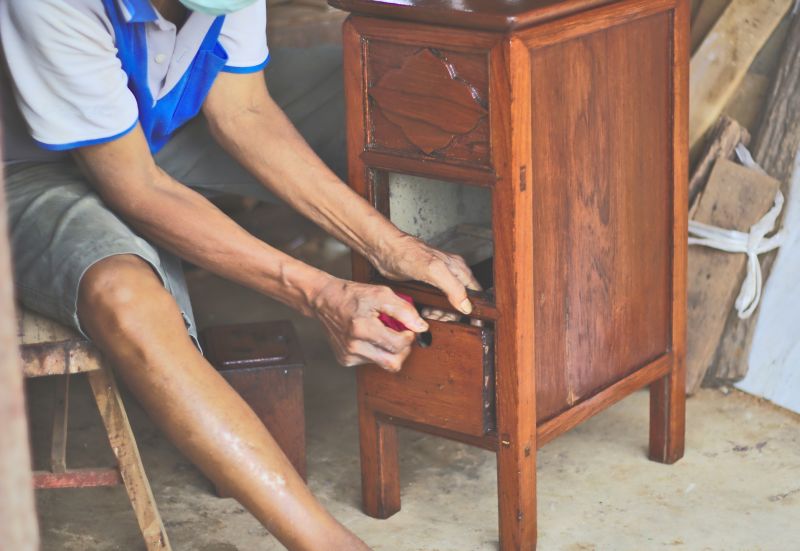
Structural repairs require precise environment control for adhesion and stability.
| Season | Best Practices |
|---|---|
| Spring | Ideal for painting and refinishing; moderate humidity and temperatures. |
| Summer | Use for faster drying; monitor humidity levels to prevent issues. |
| Autumn | Suitable for curing; avoid high humidity and low temperatures. |
| Winter | Require indoor climate control; avoid outdoor repairs. |
| Urgent Repairs | Schedule as soon as possible with environmental controls regardless of season. |