
Favorite Solutions For Effective Cabinet Repair Projects
Get the right tools and supplies that simplify your cabinet repair tasks and deliver long-lasting results.
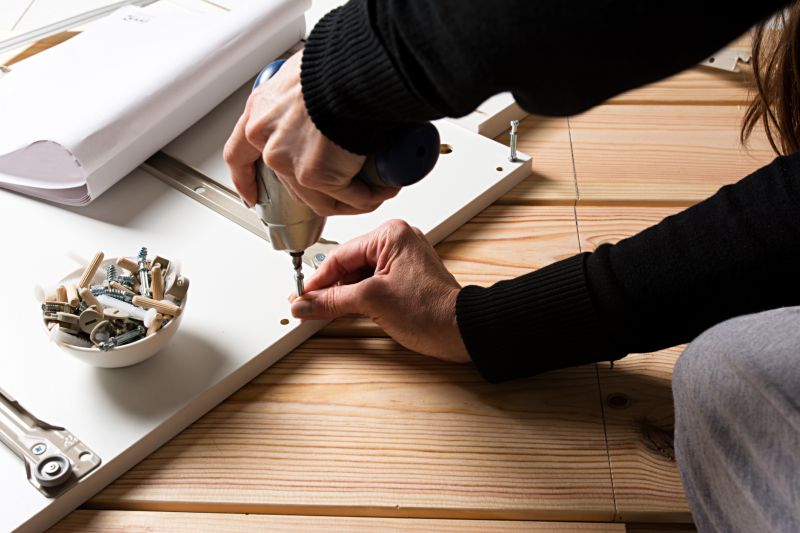 Cabinet repairs are a common part of home maintenance and renovation, often requiring a variety of specialized products to address issues such as loose hinges, scratched surfaces, or damaged doors. Selecting the right repair products can help restore the functionality and appearance of cabinets without the need for complete replacement. Whether dealing with minor cosmetic issues or structural repairs, there are numerous tools and materials designed to facilitate effective and durable fixes.
Types of Products For Cabinet Repairs
Hinges and Hardware Replacements
Replacement hinges, handles, and drawer slides to restore cabinet functionality and appearance.
Wood Fillers and Putty
Products used to fill in scratches, holes, and gouges on cabinet surfaces.
Surface Sanding Tools
Sanding blocks and pads to prepare surfaces for refinishing or touch-up.
Paints and Stains
Refinishing options to update or match cabinet colors and finishes.
Sealants and Topcoats
Protective coatings to seal and preserve repaired surfaces.
Adhesives and Glues
Strong bonding agents for repairing loose or broken cabinet parts.
Clamps and Holders
Tools to hold parts in place during gluing or drying.
Touch-Up Markers and Pens
Color-matched markers to conceal scratches and minor imperfections.
Magnetic and Mechanical Catches
Replacement latches and catches to improve cabinet door closure.
Drawer Repair Kits
Complete kits for fixing or replacing drawer components.
Veneer Repair Products
Specialized adhesives and patches for veneer surfaces.
Cabinet Edge Banding
Materials to replace or repair damaged edges of cabinet panels.
Knobs and Pulls
Replacement hardware to update cabinet style and function.
Cleaning and Degreasing Solutions
Products to prepare surfaces before repairs or refinishing.
Protective Gloves and Masks
Safety gear for handling repair products and dust.
Popular Choices
Widely used for filling scratches and holes, available in various colors to match finishes.
Convenient for quick concealment of minor scratches and scuffs on cabinet surfaces.
Popular hardware updates that can change the look and improve functionality.
Commonly replaced to restore smooth operation of cabinet doors and drawers.
Frequently chosen for refreshing or updating cabinet finishes.
Essential for holding parts securely during gluing or drying processes.
Popular for protecting repaired surfaces and enhancing durability.
Often used for fixing or replacing worn-out drawer components efficiently.
Commonly used for restoring veneer surfaces with minimal fuss.
Regularly used to prepare surfaces before repairs or refinishing.
Popular for ensuring cabinets stay closed securely.
Favored for quick fixes of small scratches or chips.
Commonly used safety equipment during repair projects.
Many repair projects involve fixing or replacing hinges, handles, or drawer slides to improve usability. Surface repairs might include filling in scratches, gouges, or small holes with wood fillers or touch-up pens. For structural concerns, adhesives and clamps can provide strong bonds that restore stability. Additionally, refinishing products like paints, stains, and sealants can help rejuvenate worn or faded cabinet surfaces, giving them a refreshed look.
Choosing appropriate products depends on the specific damage, the material of the cabinets, and the desired outcome. Proper preparation, such as cleaning and sanding, often enhances the effectiveness of repair products. It’s also important to consider the ease of use, drying time, and compatibility with existing finishes when selecting repair solutions. With the right tools and materials, many cabinet issues can be addressed efficiently, saving time and money compared to full replacements.
Key Buying Considerations
- Identify the specific type of damage or repair needed to select appropriate products.
- Consider the material of your cabinets (wood, laminate, veneer) to ensure compatibility.
- Check the color match or finish to achieve a seamless look after repairs.
- Evaluate the ease of use, especially if you are a DIY beginner or experienced handyman.
- Look for products with good adhesion and durability for long-lasting results.
- Assess drying and curing times to plan your repair process efficiently.
- Select tools and accessories that are compatible with existing hardware or surfaces.
- Consider environmental factors such as humidity or temperature that might affect product performance.
- Read reviews or ratings to gauge the effectiveness and user satisfaction of specific products.
- Determine if you need a complete repair kit or individual components for targeted fixes.
- Opt for products that allow for easy touch-ups or reapplications if needed.
- Evaluate safety features and instructions, especially when working with adhesives or paints.
- Think about the overall aesthetic goal—whether restoring or updating your cabinets.
- Budget for quality products that offer good value rather than solely the lowest price.
- Ensure availability of replacement parts or additional supplies for ongoing maintenance.
This page contains affiliate links. Purchasing through these links supports our content and allows us to provide helpful information at no additional cost to you.